
Last Updated: October 17, 2026
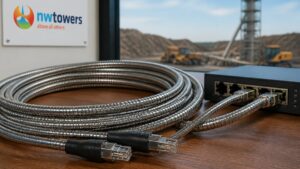
An armored ethernet cable wraps standard twisted-pair conductors in a flexible metal layer beneath the outer jacket, adding crush and rodent resistance that ordinary patch cables cannot match. This guide from Northwest Towers reviews five armored ethernet cable options for industrial and outdoor networks, and explains which specs actually matter when you specify one.
We built this comparison around the questions operations and IT teams ask us most: will it survive a conduit-free run, will it handle 10 Gigabit and PoE, and what does the armor layer really protect against. Below, we break down each pick by construction, rating, and best-fit application so you can match a cable to the environment instead of guessing.
Here is how the five picks stack up on the specs that decide most installations.
| Product | Category | Armor Type | Outdoor Rating | Best For |
|---|---|---|---|---|
| Northwest Towers | Rugged networking systems | Engineered enclosure and cabling | IP-rated hardware | Industrial sites needing full network design |
| Armored Cat6a Copper, 25 ft | Armored patch cable | Armored, anti-rodent | Not stated | Short indoor runs with PoE |
| 50 Ft Cat 6A Outdoor Armored | Outdoor armored patch | Flexible armored jacket | IP65, UV resistant | Exposed outdoor connections |
| InstallerParts Stainless Steel | Armored patch cable | Stainless steel | Waterproof claim | Factory and harsh-condition patches |
| TrueCable Cat6A CMR | Non-armored business cable | None | Indoor rated | Standard business cabling |
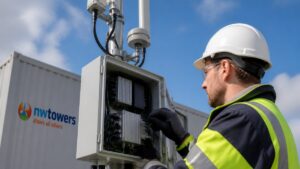
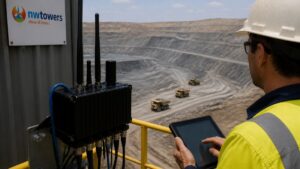
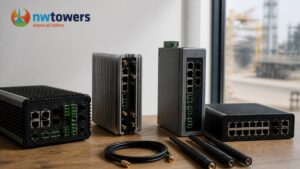
Our top pick for industrial deployments is not a single cable but a designed system. Northwest Towers builds rugged networking hardware and integrated connectivity platforms for mining, ports, construction, and utility sites, then supports them with network engineering, deployment, and managed services.
The practical advantage is that cable specification happens alongside antenna placement, enclosure selection, and grounding design. Our IP-rated, field-proven products are built for extreme weather, vibration, and dust, and our NaaS model reduces capital outlay while cutting the need for dedicated IT staff on site.
Pros: Full design-through-deployment support; IP-rated hardware; proactive monitoring of power and environmental anomalies.
Cons: Not a standalone cable purchase; scope and pricing depend on site requirements, so you will need a quote.
TIA-568 cabling standards overview
A straightforward armored patch cable for short, protected runs. This 25-foot Cat6a assembly uses 24 AWG bare copper conductors, carries a 500 MHz rating, and is listed for 10 Gigabit and PoE use. The anti-rodent armoring is the reason to buy it over a standard patch cord.
At $73.19 it is priced for a specific job, not for bulk cabling. Buy it when you need one armored ethernet cable to cross a floor, pass through a wall penetration, or reach a device in a pest-prone area.
Pros: Clear 10G and PoE compliance; armored, rodent-resistant build.
Cons: Fixed 25-foot length; no warranty stated in the listing.
Outdoor armored ethernet cable needs UV and moisture protection, and this 50-foot Cat6A assembly addresses both. The flexible armored jacket is described as rodent- and UV-resistant, and the cable carries an IP65 rating for dust and water-jet exposure. The flexible jacket is easier to route around corners than rigid armored constructions.
Length and rating make it a sensible choice for a camera, access point, or outdoor enclosure feed where the run stays above ground.
Pros: IP65 rating and UV-resistant jacket suit exposed routes; flexible armoring eases routing.
Cons: Price is not published in the source listing; confirm current pricing before ordering.
Stainless steel armoring is the differentiator here. This Cat6A patch cable uses a stainless-steel jacket with a 7.8 mm overall diameter and is marketed for harsh conditions such as factory floors. Stainless steel resists corrosion better than plated steel in humid or washdown-adjacent areas.
If your armored ethernet cable run passes near machinery where abrasion is constant, the steel jacket earns its place. Confirm length and warranty with the seller, since the listing does not state either.
Pros: Corrosion-resistant stainless jacket; explicit factory-floor positioning.
Cons: Length and warranty not specified in the source listing.
Not every recommendation should be armored. TrueCable Cat6A CMR is a standard business-network cable with stated 10 Gbps performance and PoE++ support, and it costs far less than armored stock. The CMR rating suits riser and in-wall runs inside commercial buildings.
The catch: the source material does not confirm armored construction, so treat this as a baseline, not an armored alternative. If your route is inside conduit or a protected ceiling void, you likely do not need armoring at all.
Pros: Specific 10G and PoE++ claims; lower cost for protected indoor runs.
Cons: Not a confirmed armored ethernet cable; no price or warranty in the source.
A Cat6A armored ethernet cable is a Category 6A cable, rated to 500 MHz and 10 Gigabit, wrapped in a protective metal layer. Cat5e tops out at Gigabit, Cat6 handles 10G over short runs, and Cat6A sustains 10Gbps across the full channel. Conductor gauge matters too: 24 AWG bare copper is standard, while 28 AWG thin cables suit tight patch panels but carry more signal loss.
The armor layer is where most buyers get lost, because “armored” covers several distinct constructions. Here is how the common types compare on the factors that decide an installation:
| Armor Type | Flexibility | Weight | Corrosion Resistance | Protection Level | Typical Use |
|---|---|---|---|---|---|
| Aluminum interlock | Moderate | Light | Moderate | Good crush and rodent resistance | Indoor industrial runs, wall penetrations |
| Steel interlock | Low | Heavy | Moderate (plated) | High crush resistance | Factory floors, high-traffic exposed routes |
| Stainless steel | Low | Heavy | High | High abrasion and corrosion resistance | Washdown-adjacent areas, humid or coastal sites |
| Bronze braid | High | Light | Moderate | Moderate abrasion resistance | Tight routing, vibration-prone equipment |
Aluminum interlock is the lightest and least expensive option, and it handles the rodent and crush threats most above-ground runs face. Steel interlock adds crush resistance for routes where vehicles or heavy equipment might roll over the cable, but it is stiffer and harder to route around tight corners.
Shielding is a separate question from armor. UTP cable with no shield is fine in clean electrical environments, while shielded cable with bonded pairs helps near drives and welders. Armor is primarily mechanical protection, it does not replace foil or braid shielding for EMI, and a steel jacket alone will not solve a noise problem. If interference is your issue, specify a shielded construction and bond the shield per the manufacturer’s instructions.
Installing an armored ethernet cable takes longer than a standard patch cord because the armor must be cut back cleanly without nicking conductors, and because the metal layer changes how the cable behaves during pulling and bending.
Start by confirming the cable’s published bend radius and pulling tension limits. Exceeding either can crack the armor interlock or stretch conductors, which shows up later as intermittent link errors. When pulling, use a lubricant rated for the jacket material and pull from the cable body, not the armor edge.
Cutting back the armor is the step that separates a clean termination from a callback. Use a rotary stripper set to the jacket thickness, score the outer jacket, and peel it back to expose the armor.
Terminate into an RJ45 jack or field connector rated for the cable’s gauge and armor diameter. Armored cable often has a larger overall diameter than standard patch cable, so confirm connector compatibility before you crimp. Leave a service loop at each end and label both ends before closing up the enclosure.
Grounding is the step most crews skip. Where the armor includes a drain wire, bond it at one end to the enclosure ground per the manufacturer’s instructions and your site’s electrical code.
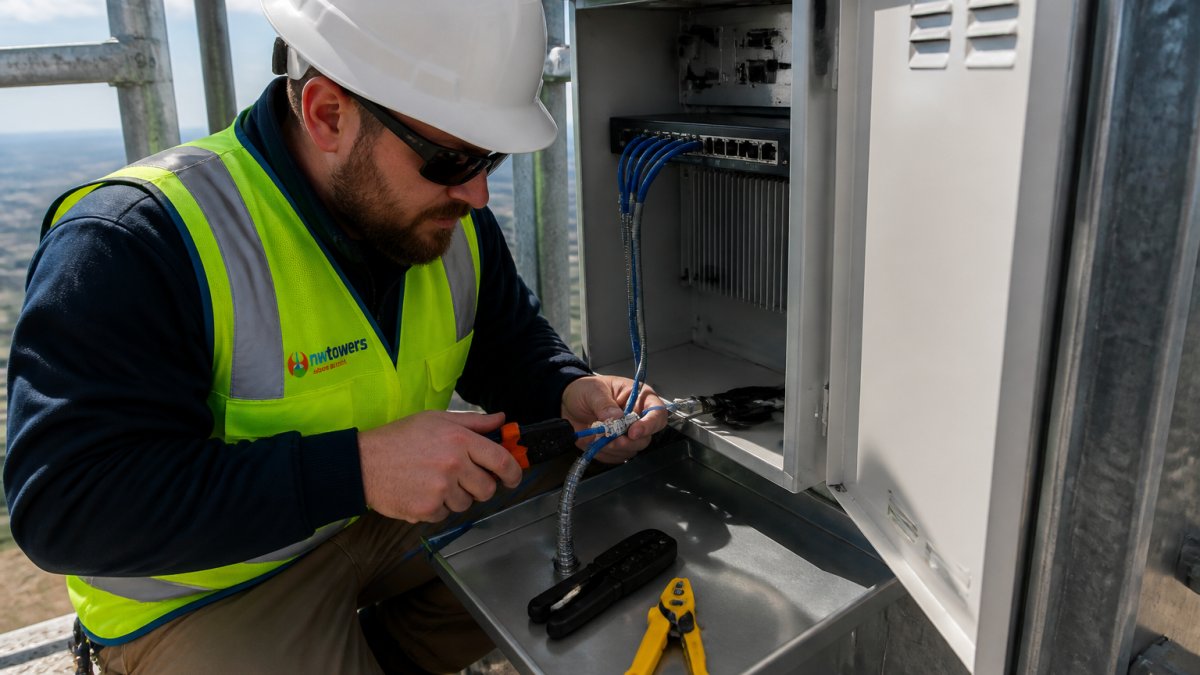
Proper shielding and grounding techniques remain critical for signal integrity, yet even the most robust cable cannot compensate for the complexities of a professional network installation when navigating the unique infrastructure requirements found in Oregon.
Armored cable is not a substitute for conduit everywhere. Conduit offers the highest physical protection and simplifies future cable pulls, but it costs more in material and labor. Direct-burial cable is built for underground runs and does not need conduit, but it is a different product from indoor armored patch cable. Choose armored cable when you need crush and rodent protection in an exposed but above-ground route, and choose conduit when the run must be re-enterable or carries multiple cables.
NFPA 70 National Electrical Code overview
Use it where the cable run faces physical abuse a standard jacket cannot survive: rodents, vibration, abrasion against metal framing, or foot traffic in industrial areas. It also suits outdoor routes on mining, construction, and port sites where UV and moisture are constant. For a clean indoor office drop, ordinary Cat6 or Cat6A is cheaper and easier to terminate. Match the armor to the threat, then confirm the jacket rating covers the environment.
Metal armor and shielding only do their job when bonded to ground at the equipment end. An ungrounded armored or shielded Ethernet cable can act as an antenna and carry noise into your equipment. Follow the manufacturer’s termination instructions and your site’s electrical code for bonding. If your team is not comfortable with grounding practice, have a qualified installer handle the terminations rather than crimping and hoping.
Shielding blocks electromagnetic interference using foil or braid around the conductors. Armor adds a mechanical layer, usually steel or aluminum, that resists crushing, rodent damage, and abrasion. A shielded Ethernet cable solves a noise problem; an armored cable solves a physical damage problem. Some cables do both. Buy for the failure you actually see on site, and check whether the product states both shielding and armor construction.
Only when the jacket is rated for it. Armor protects against physical damage, not water or sunlight. Look for an outdoor armored Ethernet cable with a UV-resistant jacket and a stated IP rating, such as IP65 or IP67, if it will see rain or washdown. Also confirm the cable category and length support your speed target, since long outdoor runs lose performance faster than short patch runs.
Strength depends on the armor material and construction, not the category number. Stainless steel jackets resist corrosion and crushing best in chemical or washdown settings. Aluminum interlock is lighter and more flexible. Bronze braid adds flexibility with abrasion resistance. For a fixed industrial run, pair heavy armor with proper strain relief and support so the cable is not hanging from its connectors.
Specifying armored ethernet cable one patch cord at a time gets expensive and leaves gaps in protection. Northwest Towers designs complete industrial networks, from IP-rated hardware and enclosures to grounding, deployment, and ongoing monitoring through our NaaS model. If your site needs connectivity that survives weather, vibration, and rodents, contact us and we will scope the design around your actual routes and uptime requirements.